

Relationships, whether personal or professional, are a fundamental part of our lives. Yet, many of us find ourselves struggling to maintain healthy, fulfilling connections. Why are relationships so difficult? And more importantly, what can we do to make them better?
Why Relationships Can Be Difficult
1. Communication Barriers
One of the most common challenges in relationships is communication. Misunderstandings, assumptions, and the inability to express ourselves clearly can lead to conflicts. We often expect others to know what we’re thinking or feeling without actually saying it, which sets the stage for frustration and disappointment. Or we think we know what others are thinking, feeling, or wanting without checking our assumptions. So, how do we avoid putting others in a metaphorical “box”?
2. Different Expectations
Each person enters a relationship with their own set of expectations, often based on past experiences, cultural background, or personal beliefs. When these expectations clash or go unspoken, it can create tension and disconnect.
3. Emotional Baggage
We all carry emotional baggage from previous experiences—whether it’s from past relationships, family dynamics, or personal insecurities. This baggage can affect how we interact with others, sometimes leading to overreactions or withdrawal when certain triggers are hit.
4. Lack of Conflict Resolution Skills
Conflict is a natural part of any relationship, but not everyone knows how to handle it constructively. Without the right tools, disagreements can escalate into full-blown arguments or, worse, lead to long-standing resentment, and/or unwanted breakups.
5. Busy Lives and Stress
Modern life is hectic. Balancing work, family, and personal time can be overwhelming, leaving little room for nurturing relationships. Stress and fatigue can also cause us to be less patient and more irritable, which can strain our connections with others.
What We Can Do to Improve Our Relationships
The good news is that relationships, like any other skill, can be improved with practice and the right tools. Here are some strategies and techniques that can help:
1. Practice Empathic Listening
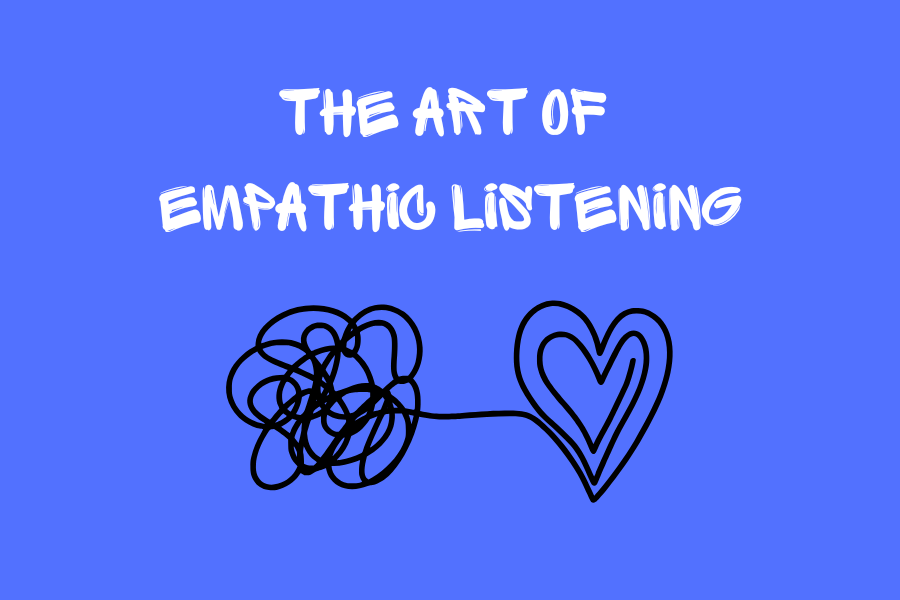
Empathic listening is more than just hearing what someone says; it’s about fully engaging with the speaker, showing empathy, and reflecting on what’s being communicated. This means setting aside distractions, maintaining connection, and responding thoughtfully. Empathic listening helps build trust and ensures that the other person feels heard and understood.
2. Set Clear Expectations
To avoid misunderstandings, it’s essential to have open conversations about your expectations. Whether it’s about household responsibilities, spending time together, or how you handle finances, being clear about your needs and desires can prevent a lot of friction down the line.
3. Learn to Express Emotions Constructively
Emotional expression is key to a healthy relationship, but it’s important to do so in a way that’s constructive. Instead of blaming or accusing, focus on using “I” statements, such as “I feel hurt when…” or “I need more support with…”. This approach encourages dialogue rather than defensiveness.
4. Develop Conflict Resolution Skills
Conflict is inevitable, but how we handle it makes all the difference. Learning conflict resolution skills, such as staying calm, focusing on the issue rather than the person, and building agreement, can turn a conflict into an opportunity for growth and deeper connection.
5. Prioritize Quality Time
In our busy lives, it’s easy to let relationships take a backseat. However, prioritizing quality time with loved ones, even if it’s just a few minutes each day, can strengthen your bond. Make an effort to connect regularly, whether it’s through a shared activity, a heartfelt conversation, or simply being present with each other.
Tools That Can Be Taught
1. Empathy Training
Empathy is the ability to understand and share the feelings of another. It’s a powerful tool in relationships that can be cultivated through exercises such as role-playing, perspective-taking, and mindfulness practices. Learning to empathize can significantly reduce conflict and increase connection.
2. Mindful Communication Techniques
Mindfulness in communication involves being fully present during interactions, without judgment or distraction. Techniques like deep breathing before responding, pausing to consider the other person’s perspective, and speaking respectfully with intention can help create more meaningful and less reactive conversations.
3. Relationship Enhancement® (RE) Skills
RE skills focus on improving communication, conflict resolution, and emotional connection. This approach teaches specific techniques such as reflective listening, which involves restating what the other person has said to ensure understanding, and structuring conversations to avoid defensiveness and escalation. These skills can be learned through workshops, practice groups, individual counseling, couples counseling, and professional training.
4. Conflict Management Strategies
Tools like the “time-out” technique, where both parties agree to take a break during heated moments to cool down before continuing the discussion, can prevent conflicts from spiraling out of control. Other strategies include setting ground rules for arguments, such as no name-calling or interrupting, and focusing on finding a win-win solution.
5. Stress-Reduction Techniques
Since stress is a major factor in relationship strain, learning techniques like deep breathing, meditation, or physical exercise can help individuals manage their stress levels and approach their relationships with a calmer, more balanced mindset.
Conclusion
While relationships can be challenging, they are also one of the most rewarding aspects of life. By understanding the common difficulties and equipping ourselves with the right tools, we can create stronger, more fulfilling connections with those around us. At New Mexico Relationship Enhancement Institute, we’re committed to helping you build healthier relationships through counseling, workshops, training, and resources. Reach out to learn more about how we can support you on this journey.

 New Mexico Relationship Enhancement Institute